
ESSENTIAL BASEBALL APPAREL: A COMPLETE GUIDE TO PERFORMANCE WEAR
THE FOUNDATION: BASE LAYER CLOTHING
Base layers are the unsung heroes of baseball apparel. These compression garments sit directly against your skin, providing a foundation for optimal performance. Modern base layers use advanced moisture-wicking technology to keep players dry and comfortable throughout nine innings of intense play.
The primary function of a quality base layer is temperature regulation. During hot summer games, these garments pull sweat away from the body, allowing it to evaporate quickly and keeping your core temperature stable. In cooler weather, they provide an extra layer of insulation without adding bulk that could restrict your swing or throwing motion.

Key Features to Look For
- Moisture-wicking polyester or nylon blends
- Four-way stretch fabric for unrestricted movement
- Flatlock seams to prevent chafing during extended wear
- Anti-microbial treatment to reduce odor buildup
- UV protection for outdoor games
JERSEYS AND UNIFORMS: TRADITION MEETS INNOVATION
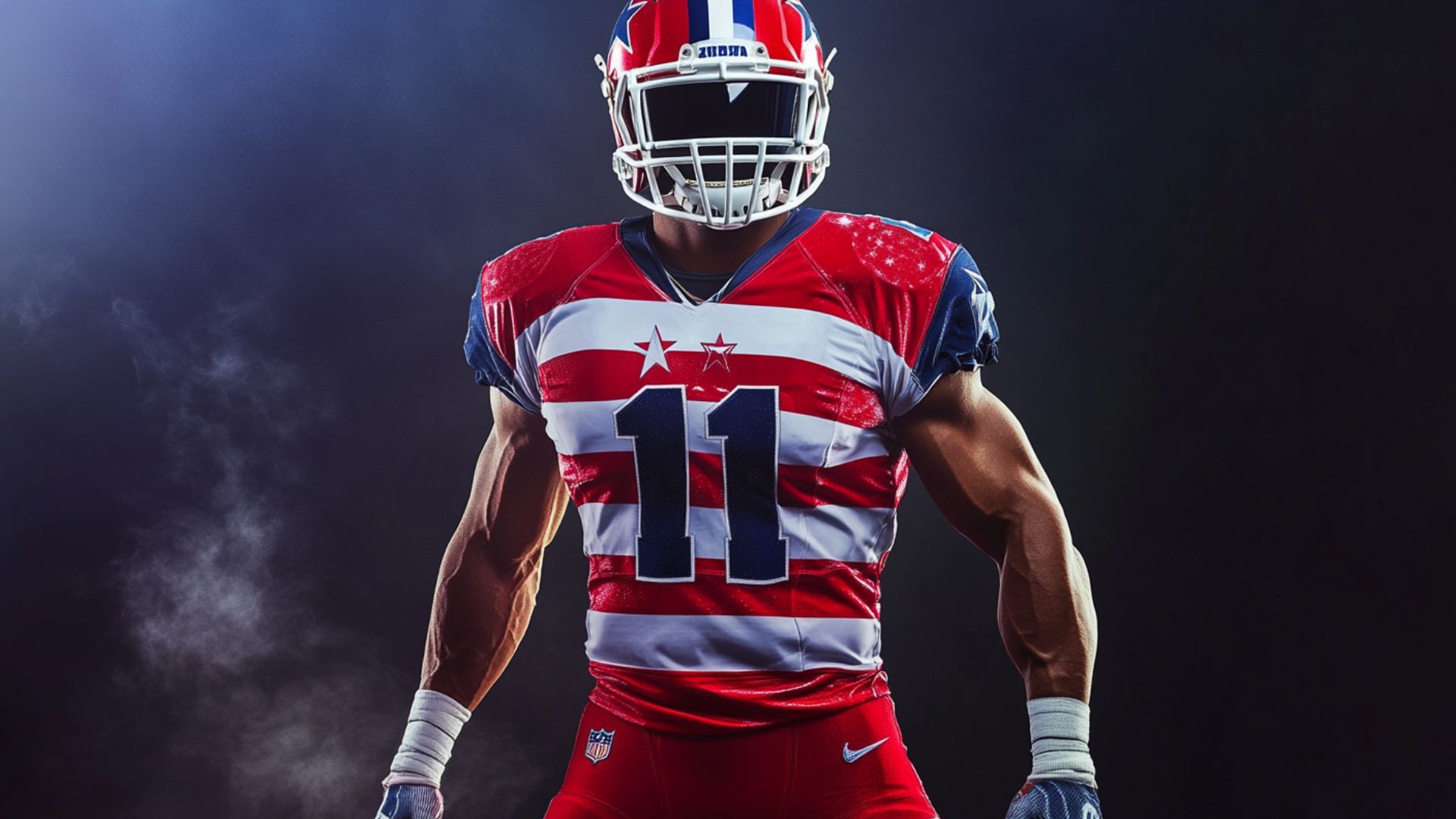
Baseball jerseys have evolved dramatically from the heavy wool uniforms of the early 20th century. Today’s jerseys combine classic aesthetics with cutting-edge fabric technology. Professional-grade jerseys now feature breathable mesh panels, raglan sleeves for better shoulder mobility, and strategic ventilation zones.
When selecting a jersey, consider the fit carefully. A jersey that’s too tight will restrict your movements, particularly during batting and pitching. Conversely, excessive looseness can interfere with fielding and base running. The ideal jersey should allow full range of motion while staying tucked in during play.
“The difference between a good uniform and a great one is in the details. Fabric weight, seam placement, and moisture management all contribute to how a player feels during those crucial moments in a game.”
— Marcus Thompson, Equipment Manager
PANTS: DURABILITY MEETS FLEXIBILITY
Baseball pants take more abuse than almost any other piece of athletic apparel. Sliding into bases, diving for ground balls, and constant movement require pants that can withstand intense wear while maintaining flexibility and comfort. Modern baseball pants incorporate reinforced knees and seat areas using double-layered fabric or strategic padding.
Choosing Between Styles
- Full-length pants: Traditional style, maximum protection
- Knicker-style: Enhanced mobility, classic look with high socks
- Piped pants: Professional appearance with contrasting color stripes
- Elastic bottom: Secure fit that stays in place during play
The fabric composition matters significantly. Look for pants with at least 10% spandex or elastane for adequate stretch. Heavier-weight fabrics (14-16 oz) provide better durability but may sacrifice breathability in hot weather. Lighter options (9-11 oz) excel in warm climates but may not last as long under aggressive play.
THE ONLY LIMIT TO YOUR PERFORMANCE IS THE QUALITY OF YOUR GEAR
— Professional Athletes Worldwide
FOOTWEAR: THE CRUCIAL CONNECTION TO THE FIELD
Baseball cleats are perhaps the most critical piece of equipment after your glove and bat. The right cleats provide traction for explosive starts, stability during lateral movements, and support for the repetitive stress of running bases. There are three main types of cleats to consider: molded, metal, and turf shoes.
| Cleat Type | Best For | Playing Surface |
|---|---|---|
| Molded Plastic | Youth players, recreational leagues | Grass, dirt |
| Metal Cleats | High school, college, professional | Natural grass, dirt |
| Turf Shoes | Training, artificial surfaces | Turf, hard surfaces |
Metal cleats offer superior traction and are the preferred choice for competitive play, but they’re often prohibited in youth leagues due to safety concerns. Molded cleats provide excellent grip with less risk of injury, making them ideal for younger players and recreational leagues.
PROTECTIVE GEAR AND ACCESSORIES
While not always visible, protective gear is essential for player safety. Sliding shorts with protective cups, padded compression shirts, and elbow guards help prevent injuries without compromising mobility. Catchers require specialized gear including chest protectors, shin guards, and reinforced helmets.


Essential Accessories
- Batting gloves for improved grip and blister prevention
- Performance socks with cushioned heel and arch support
- Sliding shorts with integrated protective padding
- Arm sleeves for UV protection and compression benefits
- Moisture-wicking headbands and wristbands
INVEST IN QUALITY GEAR TODAY, PERFORM LIKE A CHAMPION TOMORROW
SEASONAL CONSIDERATIONS AND LAYERING
Baseball season spans multiple weather conditions, from cold spring training to scorching summer heat. Smart layering allows players to adapt to changing temperatures without sacrificing performance. Start with a moisture-wicking base layer, add a mid-layer for warmth in cool conditions, and top with your team jersey.
For cold-weather games, consider long-sleeve compression shirts under your jersey, thermal leggings under your pants, and performance fleece jackets for the dugout. Many players also use hand warmers in their pockets between innings. In hot weather, focus on lightweight, breathable fabrics and don’t overlook the importance of proper hydration.
CARING FOR YOUR BASEBALL APPAREL
Proper maintenance extends the life of your baseball gear significantly. Always wash uniforms in cold water to prevent color fading and fabric degradation. Turn jerseys and pants inside out before washing to protect logos and numbers. Avoid fabric softeners, which can reduce the effectiveness of moisture-wicking fabrics.
Air-dry whenever possible, especially for items with elastic components. High heat from dryers can break down spandex and elastane fibers, reducing the garment’s stretch and recovery properties. For heavily soiled items, pre-treat grass and dirt stains with enzyme-based cleaners before washing.
| Item | Wash Temperature | Drying Method |
|---|---|---|
| Jerseys & Pants | Cold water | Air dry or low heat |
| Compression Wear | Cold water, gentle cycle | Air dry only |
| Socks | Warm water | Medium heat |
| Batting Gloves | Hand wash only | Air dry flat |
Our latest articles
Why Custom Basketball Uniforms Are Better Than Standard Uniforms
When we watch teams step onto the court wearing uniforms that actually reflect their identity, there’s an undeniable energy shift. We’ve seen it happen countless times — custom basketball uniforms transform how players carry themselves, how fans engage, and ultimately, how teams perform. At our company, we work with teams who refuse to settle for […]

How to Create a Unique Baseball Uniform Design for Your Team
Sports are essential for many people today. They improve physical fitness and provide enjoyment, especially when playing on a team. Many teams focus on development and improved results, so they choose quality uniforms to build unity and cohesion. High quality, comfort, and uniqueness are the most critical factors in team uniforms. Well-chosen uniforms can strengthen […]
Top 5 Bowling Uniform Design Ideas
Custom jerseys help build team confidence and a winning spirit. Customized products demonstrate the power of unity and team pride. Many teams today focus on personalized apparel that showcases their identity. These jerseys use high-quality, breathable fabrics for maximum comfort during play. Bowling is a passion for many enthusiasts and a way of life for […]